
鍾馗
ZHONG KUI: THE IMMORTAL DEMON SLAYER & GHOST KING
Guardian against evil spirits, seeker of justice, and the legendary protector in Chinese folklore. Explore the art and myth of the ultimate Vanquisher of Deceit.
From Scholar to Ghost King
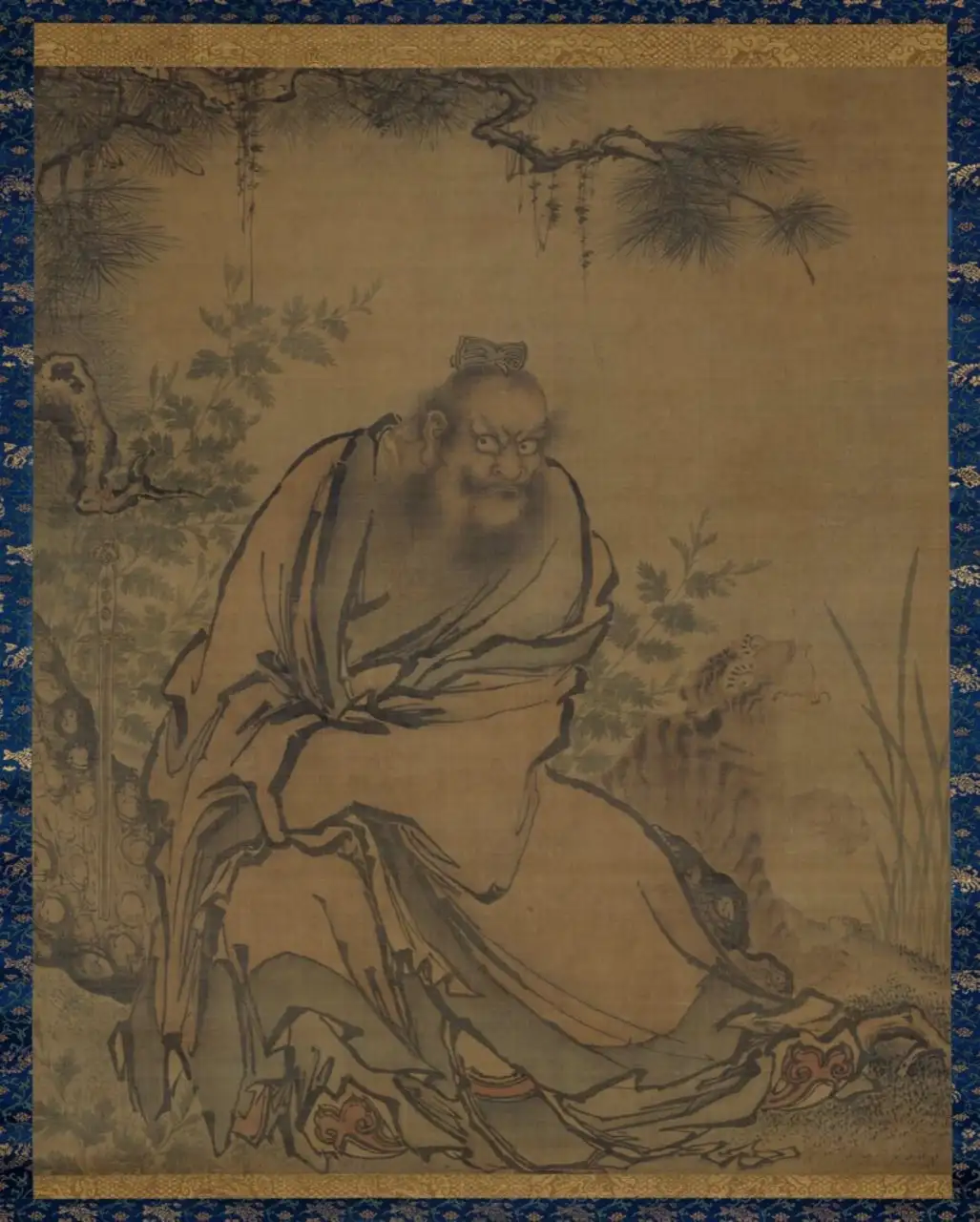
The Scholar's Tragedy
Zhong Kui, an exceptionally gifted scholar, travels to Chang'an for the imperial examinations. Despite his brilliance, he is stripped of his title due to his unconventional appearance.
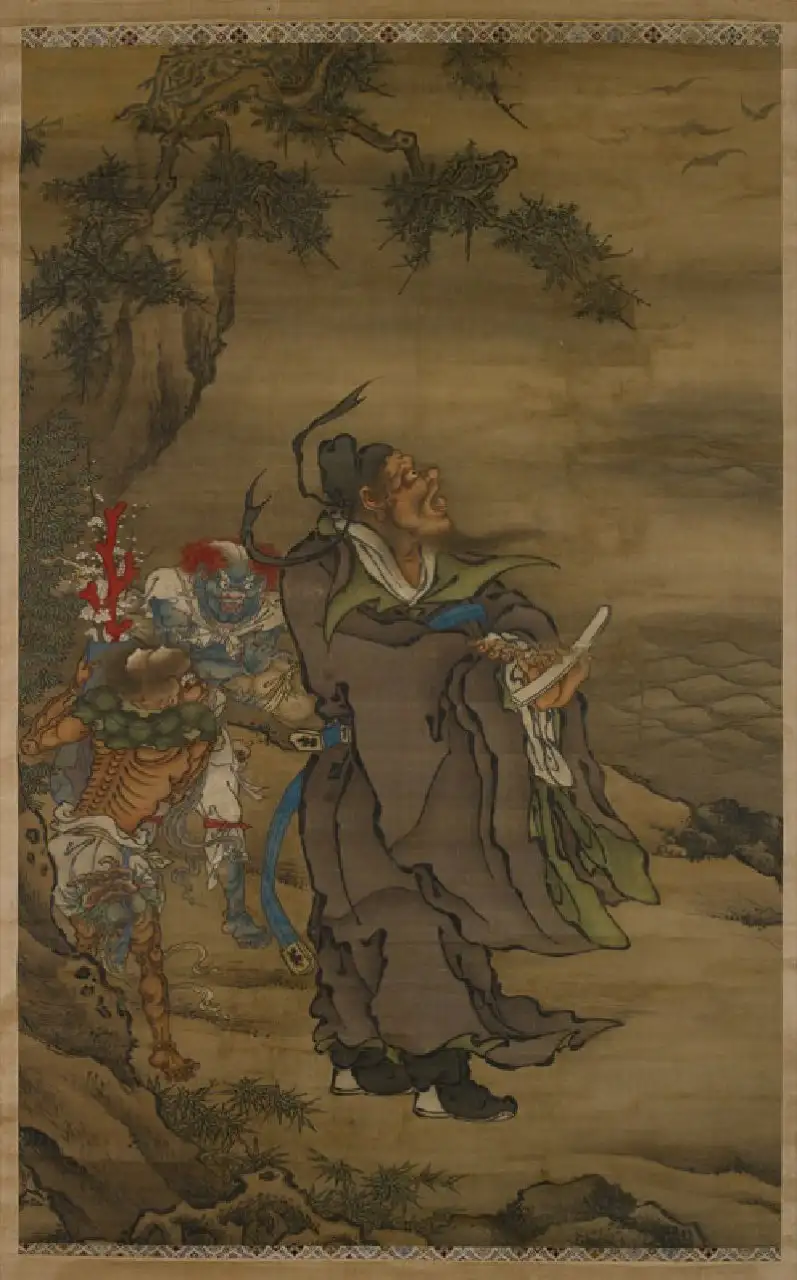
Martyrdom for Honor
In an act of supreme protest and integrity, Zhong Kui ends his own life on the palace steps. Impressed by his righteousness, the King of Hell grants him the title of 'Ghost King'.
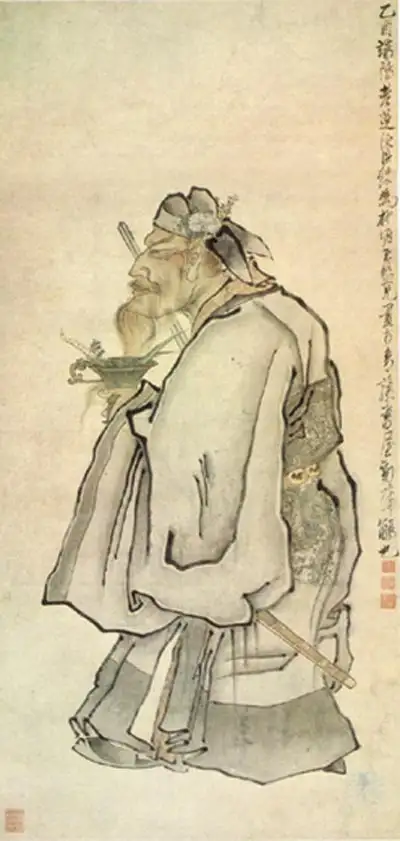
The Protector of Homes
Zhong Kui's image begins to be painted on gates. The 'Zhong Kui Marrying Off His Sister' theme emerges in art, showing his humanity and familial duty.
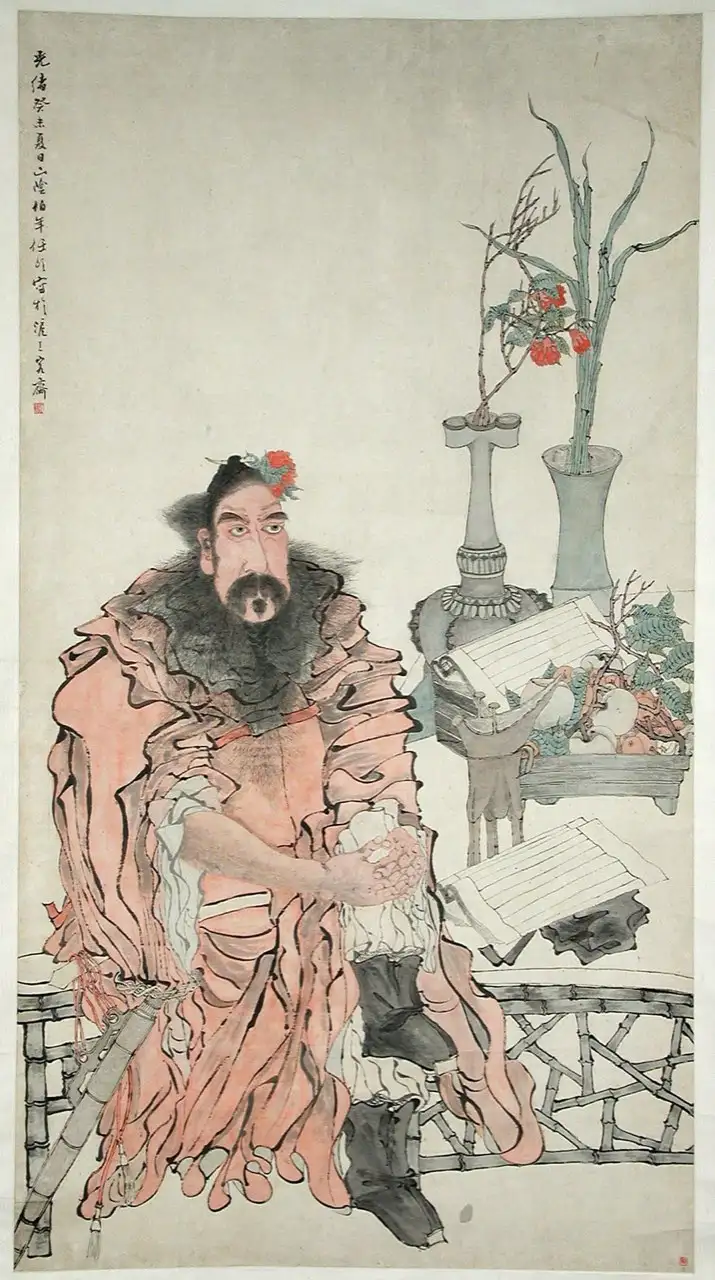
Peak Popularity
During the Qing era, Zhong Kui becomes a staple of folklore and Chinese Opera. His red robes and wrathful beard become standardized iconographies.
Zhong Kui: The Immortal Vanquisher of Evil and King of Ghosts
The Legend of the Scholar’s Sacrifice
The story of Zhong Kui begins in the prosperous Tang Dynasty, during the reign of Emperor Xuanzong. Born in Zhongnan Mountain, he was a brilliant scholar known for his immense talent and righteous heart. Determined to serve his country, he traveled to the capital, Chang'an, to participate in the Imperial Examination. While Zhong Kui achieved the highest honors, his fate took a tragic turn during the imperial audience. The Emperor, repulsed by Zhong Kui’s ugly appearance and fierce expression, unjustly stripped him of his title. Consumed by grief and a sense of duty, Zhong Kui chose suicide by striking himself against the palace gates—a final act of defiance against a world that judged him by his face rather than his spirit.
The Rise of the Ghost King
However, the Heavens recognized his integrity. Following his death, he was granted the title of King of Ghosts and Vanquisher of Evil. Tasked with protecting the mortal realm from the shadows, he became the ultimate demon hunter, commanding an army of spirits to maintain the balance between worlds. In Chinese folklore, his image evolved into a powerful guardian spirit. He is often depicted wearing his traditional scholar robes, yet his wrathful face, bulging eyes, and large beard serve as a terrifying warning to malevolent entities.
Symbolism and Cultural Legacy
Across centuries, Zhong Kui has remained a central figure in traditional Chinese art and folk religion. He is not merely a "Ghost Catcher"; he is a symbol of justice. During the Lunar New Year and Spring Festival, families display his portrait as a door hanging to ward off evil and bring good luck to the household. His influence extends beyond China. In Japan, he is revered as Shoki, a protector against plagues and demons, featured prominently in Ukiyo-e and Hokusai's masterpieces. Today, his legacy continues to thrive in pop culture, appearing in modern video games like SMITE and the highly anticipated Black Myth series, bridging the gap between ancient myth and digital entertainment.
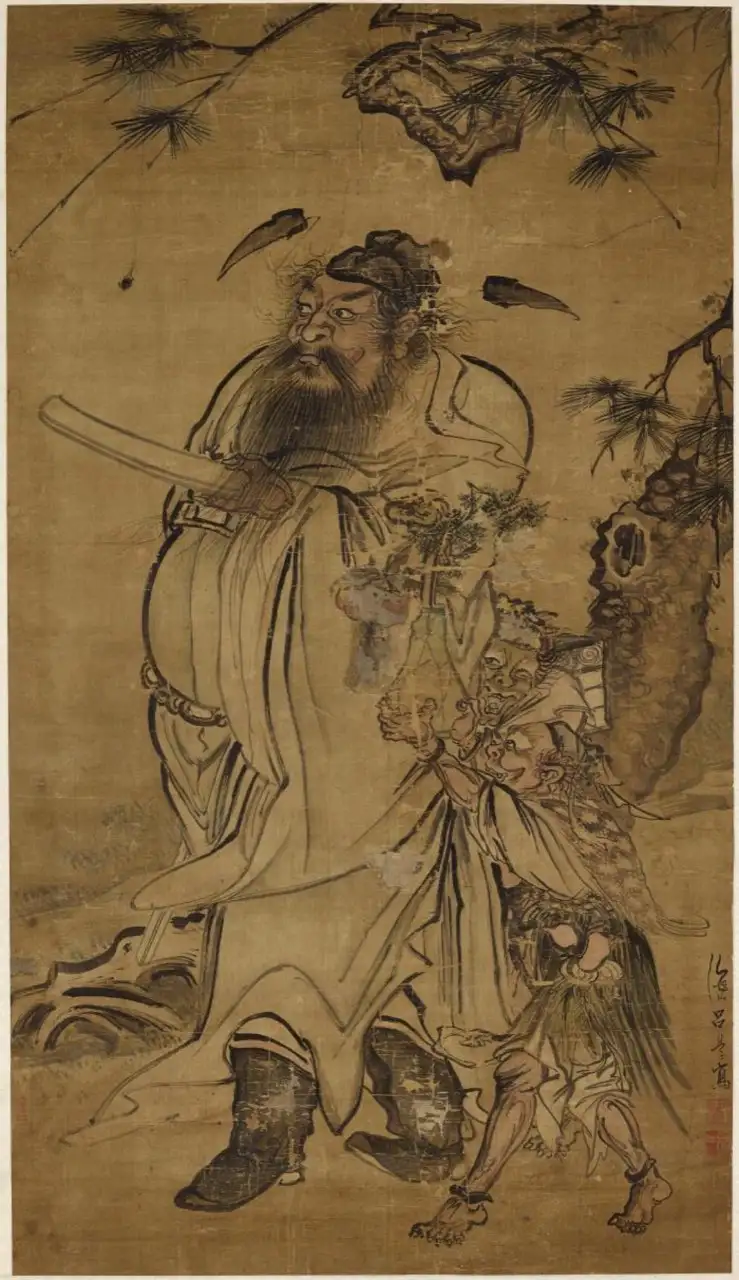
Hover over the symbols to reveal their secrets
Decoding the Protector
Every aspect of Zhong Kui's visual representation is steeped in symbolism. From his fierce countenance meant to scare away the wicked to his scholarly robes representing his intellectual roots.
Gaming & Pop Culture
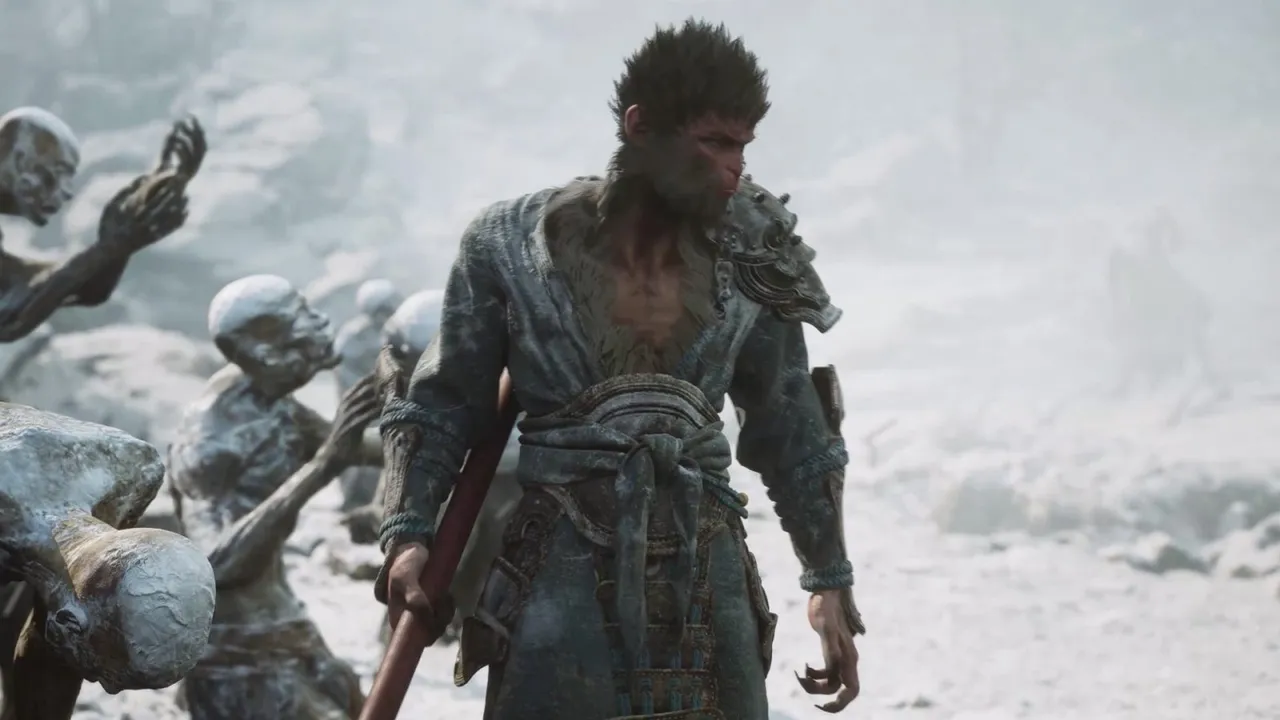
Black Myth: Wukong
Speculated as a powerful ally or a formidable boss in the hit RPG. His design emphasizes the 'terrifying protector' aesthetic.
Explore Gaming Culture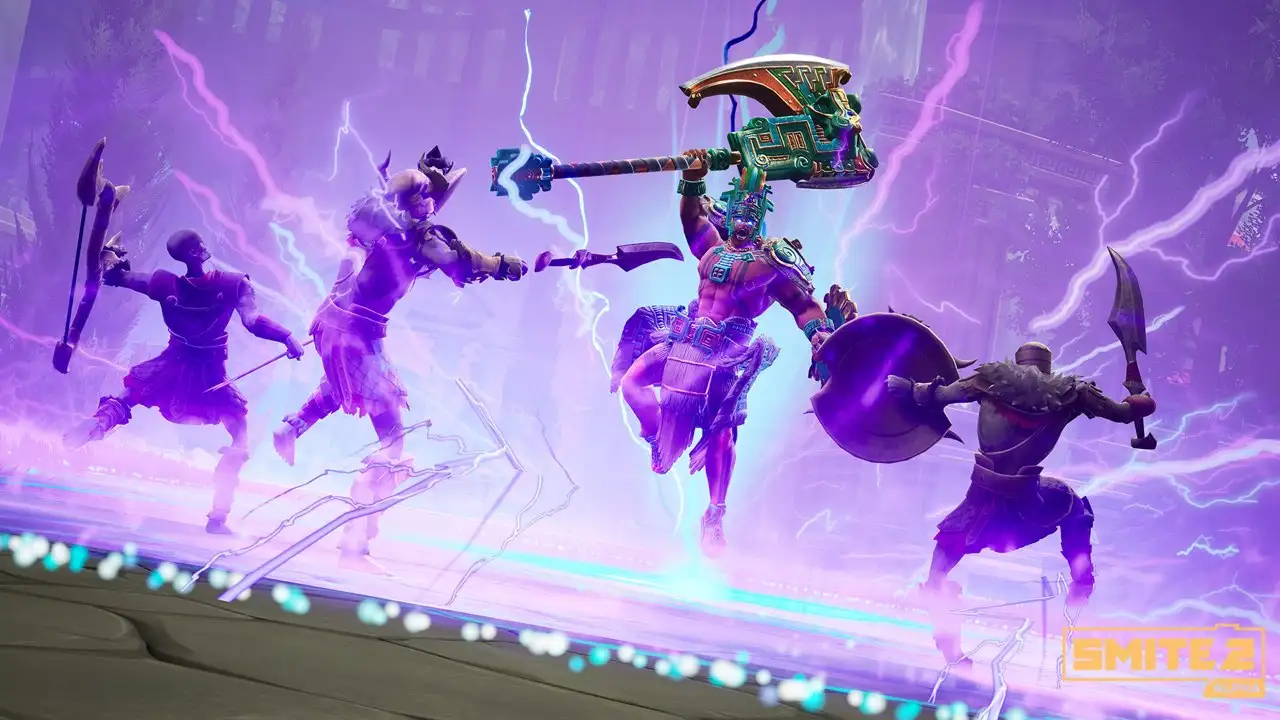
SMITE 2
As the 'King of Ghosts', Zhong Kui is a mainstay mage who uses his scrolls and demons to control the battlefield.
Explore Gaming Culture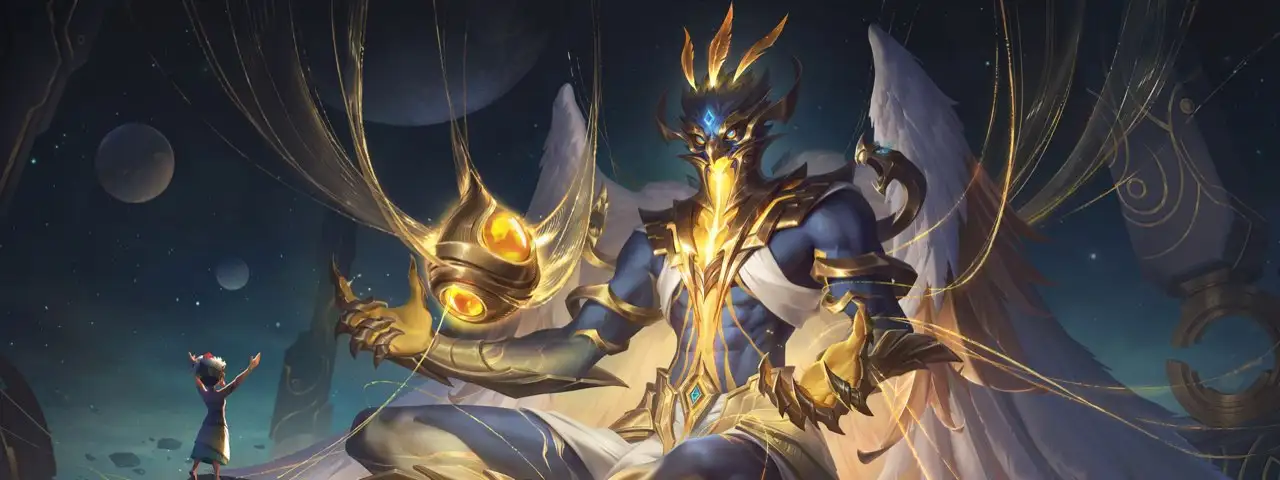
Honor of Kings
One of the most popular characters in the world's biggest mobile MOBA, known for his high-skill 'demon hook' gameplay.
Explore Gaming Culture